3 Winter Liver-Healthy Meals to Keep Your Liver Strong and Nourished

Winter is the season of comfort food and cozy nights — but it’s also a time when many people’s

diets shift toward heavier, fattier meals. While indulgence is natural during the colder months, it’s

important to balance those cravings with nutrient-dense, liver-friendly dishes that support

detoxification, digestion, and overall vitality.


Your liver is your body’s natural detox powerhouse, filtering toxins, processing nutrients, and

maintaining metabolic balance. Supporting it through liver-healthy meals — especially during

winter — helps you stay energized and resilient all season long.


Below, you’ll find three delicious winter recipes that combine warmth, comfort, and powerful

nutrients known to nourish and protect the liver.


Why Winter Nutrition Matters for Liver Health


During the colder months, our bodies naturally crave more energy-dense foods to stay warm.

However, processed or high-fat meals can put extra strain on the liver. Instead, focusing on

whole foods rich in fiber, antioxidants, and healthy fats can help:


Boost detoxification through compounds found in garlic, cruciferous vegetables, and

herbs.

Reduce inflammation with omega-3s and polyphenols.

Support bile flow and fat metabolism with lemon, turmeric, and leafy greens.

Balance blood sugar with fiber-rich grains and legumes.


The goal isn’t to eat less — it’s to eat smarter, choosing ingredients that keep your liver working

efficiently even in the winter months.


1. Hearty Lentil & Kale Stew with Garlic and Olive Oil


This warming stew is packed with fiber, plant protein, and antioxidants, perfect for cold days.

Lentils stabilize blood sugar, kale promotes detoxification, and garlic enhances liver enzyme

activity.


Ingredients:


● 1 cup green or brown lentils (rinsed)

● 4 cups vegetable broth

● 1 medium onion, chopped

● 2 garlic cloves, minced

● 2 carrots, chopped

● 2 cups chopped kale (or spinach)

● 1 tablespoon olive oil

● 1 teaspoon turmeric

● Salt & pepper to taste

● Fresh lemon juice to finish


Instructions:


1.In a large pot, heat olive oil and sauté onion, garlic, and carrots for 5 minutes.

2.Add lentils, turmeric, and broth. Bring to a boil, then reduce heat and simmer for 25–30

minutes until lentils are tender.

3. Stir in kale and cook for 5 more minutes.

4. Season with salt, pepper, and a squeeze of lemon before serving.


Liver Benefits:


Garlic activates detox enzymes.

Kale contains glucosinolates that help the liver process toxins.

Turmeric has curcumin, a compound that reduces inflammation and supports bile flow.


2. Baked Salmon with Roasted Brussels Sprouts and Sweet Potatoes


This colorful winter dish offers the perfect blend of flavor and liver-supporting nutrients. Salmon

provides omega-3 fatty acids that reduce fat buildup in the liver, while Brussels sprouts boost

liver enzymes, and sweet potatoes deliver fiber and vitamin A.


Ingredients:


● 2 salmon fillets

● 2 cups Brussels sprouts, halved

● 1 medium sweet potato, diced

● 2 tablespoons olive oil

● 1 teaspoon garlic powder

● 1 teaspoon smoked paprika

● Salt & pepper to taste

● Juice of ½ lemon


Instructions:


1.Toss Brussels sprouts and sweet potatoes with olive oil, paprika, garlic powder, salt, and

pepper.


2.Spread on a baking sheet and roast for 20 minutes.


3.Add salmon fillets to the pan, drizzle with olive oil and lemon juice, and roast for another

12–15 minutes


4. Preheat oven to 400°F (200°C).


5. Serve warm with a side of quinoa or brown rice.


Liver Benefits:


● Omega-3s in salmon protect against fatty liver.

Brussels sprouts contain sulforaphane, which aids detoxification.

Sweet potatoes stabilize glucose levels and reduce oxidative stress.


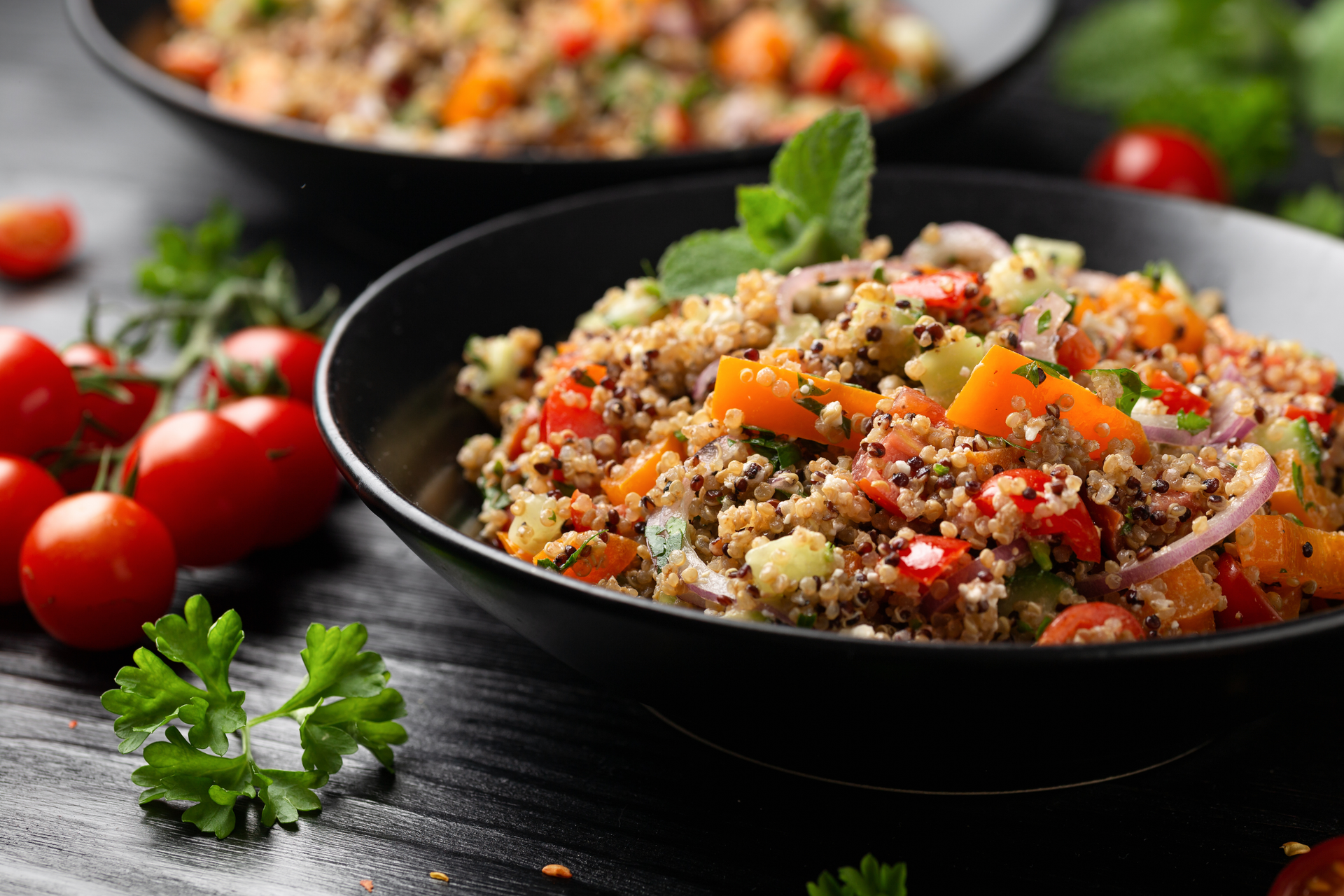
3. Ginger-Turmeric Quinoa Bowl with Roasted Beets and Spinach


This vibrant bowl combines antioxidant-rich beets, anti-inflammatory ginger and turmeric,

and fiber-loaded quinoa for a deeply nourishing, liver-cleansing winter meal.


Ingredients:


● 1 cup quinoa, rinsed

● 2 cups water or vegetable broth

● 2 medium beets, peeled and diced

● 2 cups fresh spinach

● 1 tablespoon olive oil

● 1 teaspoon grated ginger

● ½ teaspoon turmeric powder

● Salt & pepper to taste

● 1 tablespoon apple cider vinegar


Instructions:


1. Preheat oven to 375°F (190°C). Roast diced beets with a drizzle of olive oil and salt for

25–30 minutes.

2. Cook quinoa in water or broth for 15 minutes, then fluff with a fork.


3. In a pan, sauté ginger and turmeric for 1 minute, then add spinach until wilted.


4. Combine quinoa, spinach, and roasted beets in a bowl.

5. Drizzle with apple cider vinegar and serve warm.


Liver Benefits:


Beets support natural detoxification and help regenerate liver cells.

Ginger and turmeric reduce inflammation and aid bile production.

Apple cider vinegar promotes digestion and fat metabolism.


Winter Liver Health Tips


To make the most of your winter nutrition:

● Drink warm lemon water in the morning to stimulate digestion.

● Choose green tea or dandelion tea over sugary drinks for liver support.

● Eat colorful produce (purple, orange, green) to maximize antioxidants.

● Stay active even in cold weather to maintain healthy circulation and metabolism.

By Fernando Membreno MD October 26, 2025
3 Liver-Healthy Recipes to Keep Your Liver Strong and Nourished
July 22, 2025
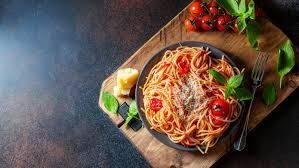
🍝 Recipe Rehab: A Liver-Friendly Twist on Spaghetti
By Fernando Membreno MD June 1, 2025
Livdelzi: A New Hope for Primary Biliary Cholangitis Patients
By Fernando Membreno MD April 10, 2025
Elafibranor: A New Era in the Treatment of Primary Biliary Cholangitis
By Fernando Membreno MD January 3, 2025
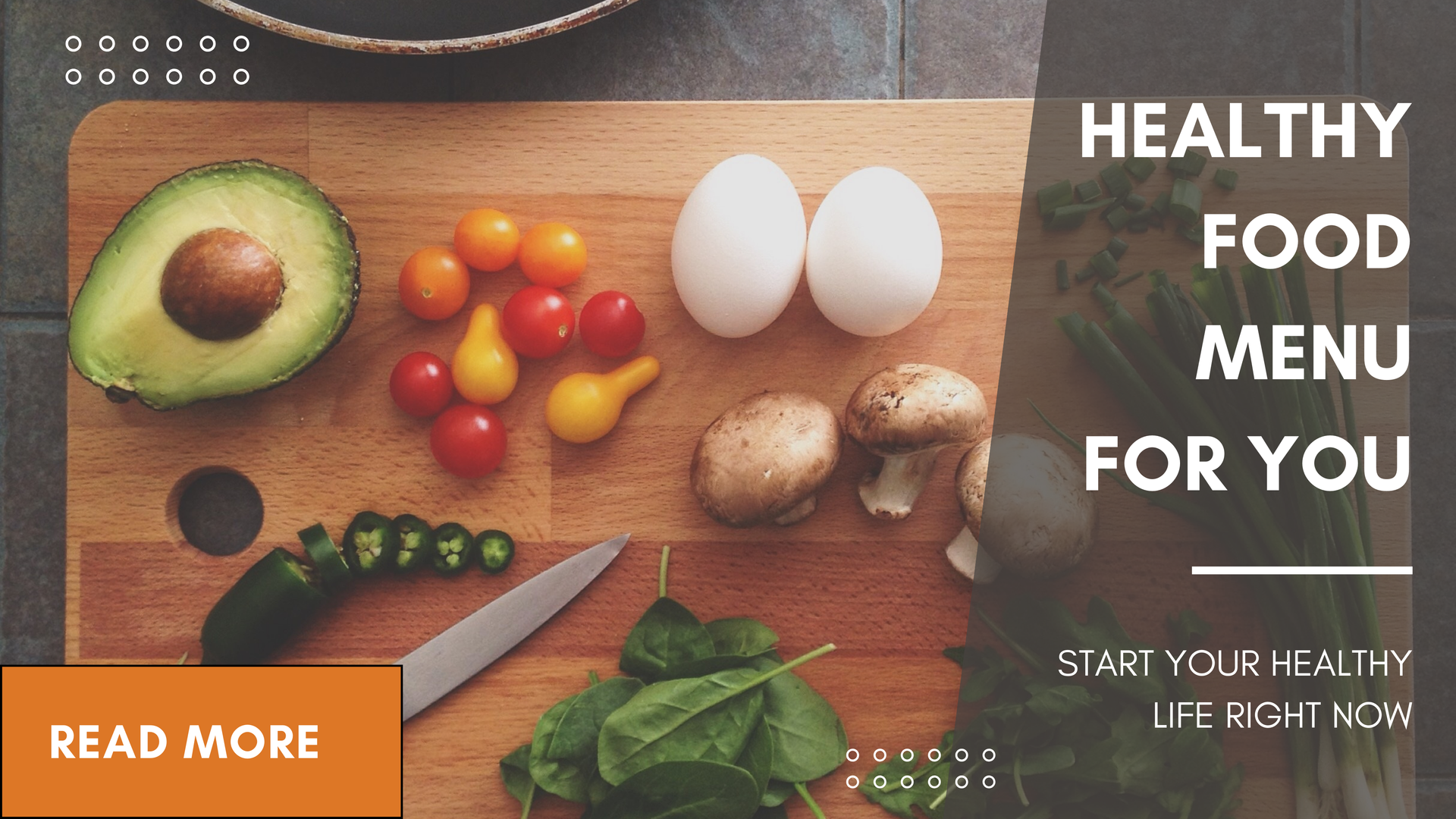
Embrace Healthy Eating with the Mediterranean Diet: A Path to Wellness Hello, and welcome to a journey toward a healthier, more vibrant you! I’m Dr. Fernando Membreno, a hepatologist deeply committed to guiding individuals to better liver and overall health. Today, I want to spotlight the Mediterranean diet—a gem in the world of nutrition. Why Focus on Eating Healthy? Your liver is the powerhouse of your body. It detoxifies, produces essential proteins, and plays a pivotal role in energy management. A healthy diet can protect this vital organ, reduce inflammation, and support its regenerative abilities. Poor dietary choices, conversely, can lead to fatty liver disease, cirrhosis, and other chronic conditions. The Mediterranean Diet: A Proven Ally for Liver and Whole-Body Health This diet isn’t just a fad; it’s a time-tested pattern of eating inspired by countries bordering the Mediterranean Sea. Studies show it’s beneficial for heart health, brain function, and, crucially, liver health. The Mediterranean diet emphasizes: Abundant Vegetables and Fruits: These provide vitamins, minerals, and antioxidants that reduce inflammation and oxidative stress—two key factors in liver damage. Healthy Fats from Olive Oil and Nuts: These contain monounsaturated fats, which promote good cholesterol levels and reduce harmful fat deposits in the liver. Lean Proteins like Fish and Legumes: Rich in omega-3 fatty acids, fish supports anti-inflammatory pathways, while legumes offer fiber and plant-based proteins. Whole Grains: Brown rice, quinoa, and whole-grain bread ensure steady energy and aid in digestive health, which supports the liver. Herbs and Spices for Flavor: Replace salt with natural seasonings to lower blood pressure and reduce sodium intake, aiding liver and cardiovascular health. Moderate Wine Consumption (Optional): If you drink alcohol, moderate consumption of red wine with meals is a hallmark of this diet. However, consult your doctor for personalized advice, especially if you have liver concerns. Tips to Get Started: Start Small: Introduce one Mediterranean dish a week. A simple salad with olive oil, nuts, and fresh vegetables is a great start. Cook More Meals at Home: Experiment with Mediterranean recipes to enjoy meals rich in flavor and nutrients. Mindful Portions: Follow your body’s hunger cues and focus on balanced meals. Stay Active: Pair your dietary efforts with regular exercise to enhance liver function and overall health. A Delicious Recipe to Try: Mediterranean Grain Bowl Ingredients: 1 cup cooked quinoa ½ cup cherry tomatoes ½ cup cucumbers, diced ¼ cup Kalamata olives 2 tbsp feta cheese 1 tbsp olive oil A sprinkle of oregano Juice of half a lemon  Instructions: Combine all ingredients in a bowl. Drizzle with olive oil and lemon juice. Sprinkle oregano on top and enjoy! Remember, every step toward healthier eating is a victory. The Mediterranean diet isn’t just food; it’s a lifestyle. It’s about savoring meals with loved ones, embracing a slower pace, and nourishing your body with what it truly needs. Your liver, and your entire body, will thank you for the effort. To your health and happiness, Dr. Fernando Membreno
By Fernando Membreno MD January 3, 2025
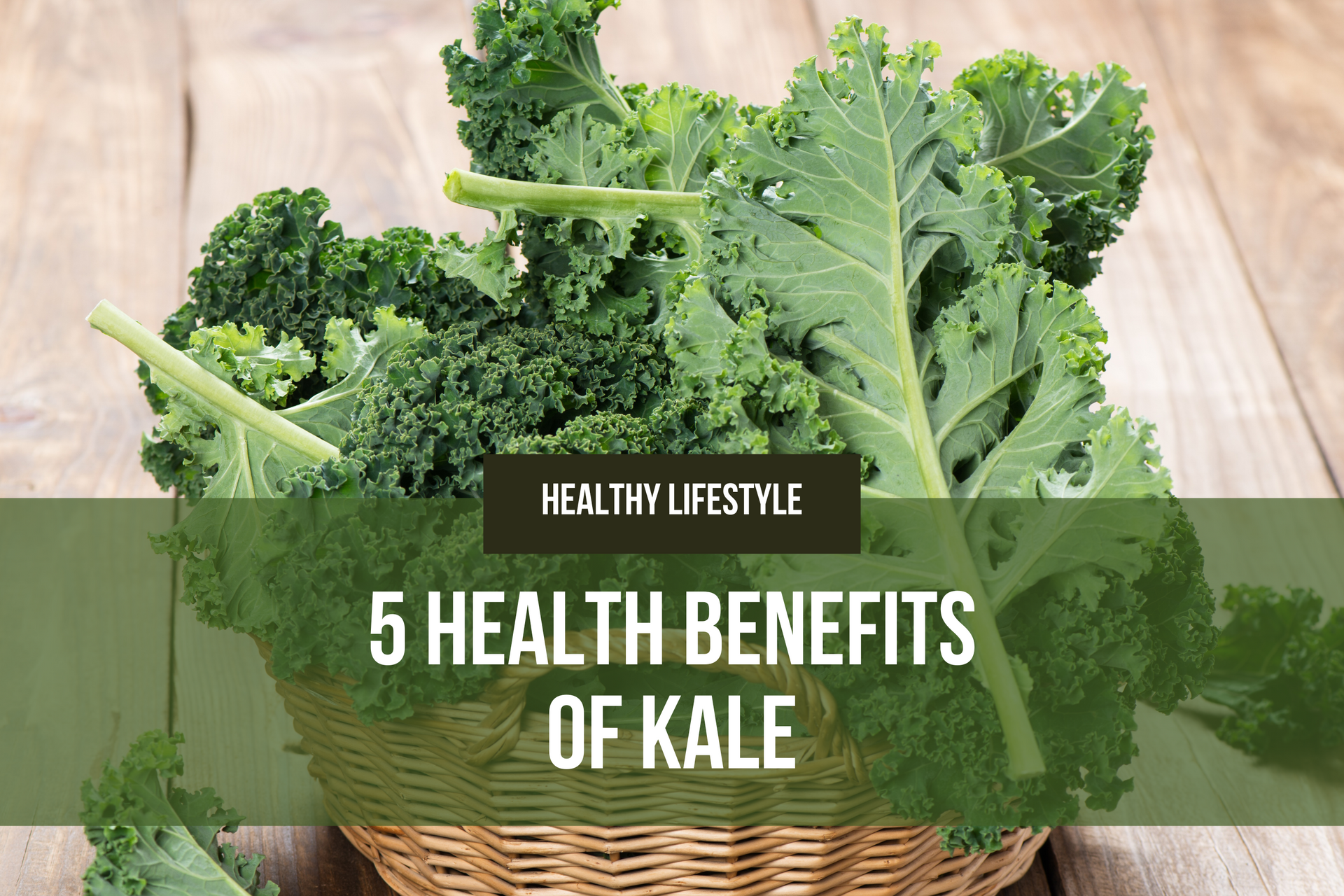
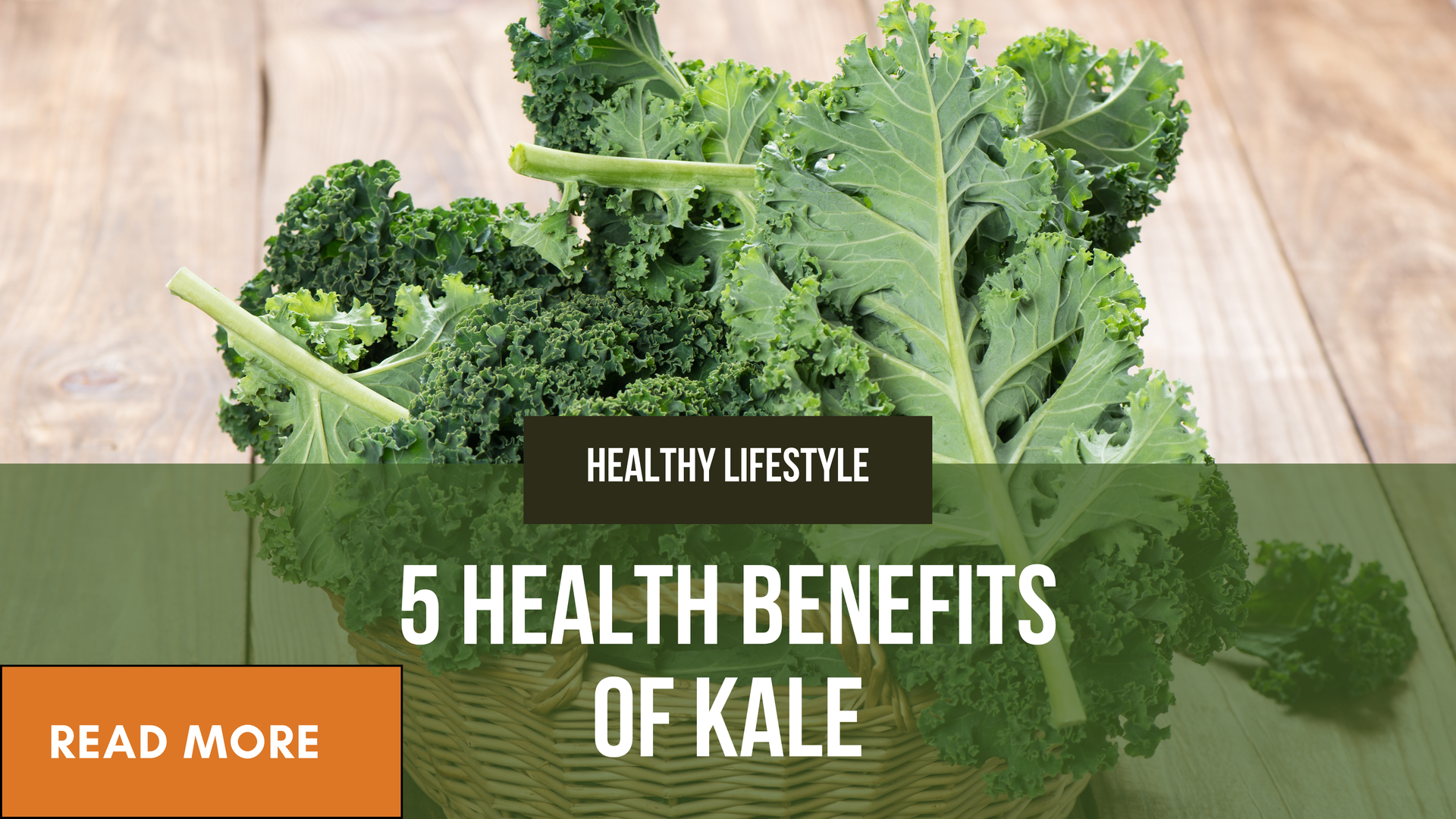
5 Amazing Health Benefits of Kale Kale has earned its title as a "superfood," and for good reason. This leafy green is packed with nutrients that offer a range of health benefits, making it a must-add to your plate. Whether you toss it into a salad, blend it into a smoothie, or bake it into crispy chips, kale can be a game-changer for your health. Here are five compelling reasons to make kale a staple in your diet: 1. Nutrient Powerhouse Kale is loaded with essential vitamins and minerals. A single cup of raw kale provides: Vitamin K : Over 600% of your daily recommended intake, crucial for blood clotting and bone health. Vitamin A : Supports eye health and boosts your immune system. Vitamin C : A powerful antioxidant that promotes skin health and strengthens your immune defenses. Calcium and Potassium : Vital for bone strength and cardiovascular health. With so many nutrients and just 33 calories per cup, kale offers incredible nutritional density. 2. Supports Heart Health Kale is rich in compounds that benefit your heart. It contains: Fiber , which helps lower bad cholesterol (LDL) levels. Potassium , which helps regulate blood pressure. Antioxidants , such as quercetin, which reduce inflammation and protect against artery damage. Adding kale to your meals can improve your heart health and reduce the risk of cardiovascular disease. 3. Promotes Liver Detoxification Your liver works hard to filter toxins, and kale can give it a helping hand. Kale is high in glucosinolates, natural compounds that support the body’s detoxification process. These compounds activate enzymes in the liver to neutralize harmful toxins, promoting a cleaner, healthier system. 4. Boosts Eye Health Kale is a standout vegetable for vision health. It’s loaded with lutein and zeaxanthin , antioxidants that protect your eyes from harmful blue light and reduce the risk of macular degeneration and cataracts. Its high vitamin A content also contributes to maintaining clear, healthy vision. 5. Helps Reduce Cancer Risk Kale contains sulforaphane , a compound known for its cancer-fighting properties. This compound has been shown to inhibit the growth of cancer cells and prevent DNA damage. Regular consumption of cruciferous vegetables like kale has been linked to a reduced risk of several types of cancer, including colon, breast, and prostate cancer. How to Incorporate Kale into Your Diet Smoothies : Blend kale with fruit, yogurt, and almond milk for a nutrient-packed smoothie. Salads : Massage raw kale leaves with olive oil and lemon juice to soften their texture and enhance flavor. Soups and Stews : Add chopped kale to your favorite soup or stew recipe. Chips : Bake kale leaves with a drizzle of olive oil and a sprinkle of sea salt for a crunchy snack. Kale is a versatile, nutrient-dense vegetable that deserves a spot on your plate. Whether you’re looking to improve your heart health, support your liver, or boost your immune system, kale is a fantastic ally for overall wellness. Make it a regular part of your meals and enjoy the countless benefits it brings!